Historic district restorations represent the highest capital-intensity opportunity created by Milton's 2026 zoning update — and among the most complex to finance. Operators who partner with Pillar Partners to pursue adaptive reuse of certified historic structures in Milton's Historic District can now stack federal Historic Tax Credits (HTC), Georgia State HTCs, and institutional preferred equity in a capital structure that was structurally unavailable in this submarket before the 2026 adaptive reuse ordinance.
The 2026 zoning change enabling adaptive reuse within the Historic District (HD overlay) is the catalyst. Structures built before 1960 can now be converted to mixed-use under a Floor Area Ratio (FAR) of 1.5, unlocking the HTC certification pathway and the associated federal 20% and state 25% tax credits on qualified rehabilitation expenditures (QRE).
"Historic tax credits are not a bonus — they are a core capital source that can cover 35%–45% of rehabilitation costs, fundamentally changing the equity equation."
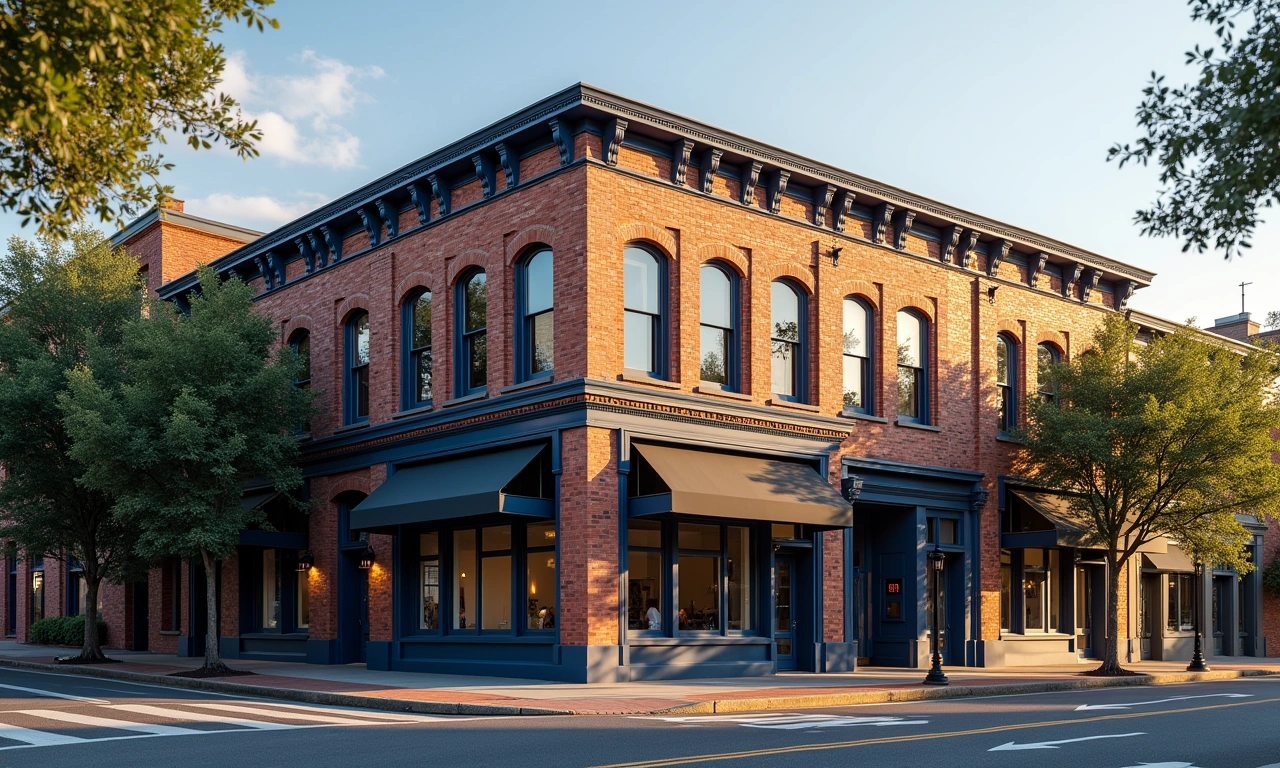
The Federal HTC Program: How It Works
The federal HTC program (IRC § 47) provides a 20% tax credit equal to 20% of Qualified Rehabilitation Expenditures (QRE) for certified historic structures. Key mechanics:
- Certification: Property must be a "certified historic structure" (listed on or eligible for the National Register of Historic Places or contributing to a NRHP-listed historic district)
- QRE: Qualified rehabilitation expenditures include construction costs that meet SHPO-approved historic standards — excludes land, acquisition, and certain non-structural costs
- Credit delivery: Tax credits are taken ratably over 5 years after the building is "placed in service" (certificate of occupancy)
- Recapture risk: Credits are subject to 5-year recapture if property is disposed of or ceases to qualify
- Credit investor: Institutional tax credit investors (typically banks, insurance companies) purchase the credit at $0.88–$0.95 per $1 of credit, providing upfront equity to the project

Georgia State HTC: Stacking the 25% State Credit
| Feature | Federal HTC (20%) | Georgia State HTC (25%) |
|---|---|---|
| Credit Rate | 20% of QRE | 25% of QRE (additional) |
| Qualifying Property | Certified historic structure | Certified historic structure in GA |
| Credit Delivery | Over 5 years | Year 1 (one-time) |
| Investor Pricing | $0.88–$0.95 per $1 | $0.88–$0.92 per $1 |
| Recapture Period | 5 years | 5 years |
| Combined with Federal | Yes (additive) | Yes (stacks on same QRE) |
The SHPO approval process and due diligence requirements for historic structures require a specialized approach. Our North Fulton due diligence framework includes a dedicated section on historic structure review, SHPO boundary confirmation, and contributing structure status verification for properties within or adjacent to Milton's Historic District.
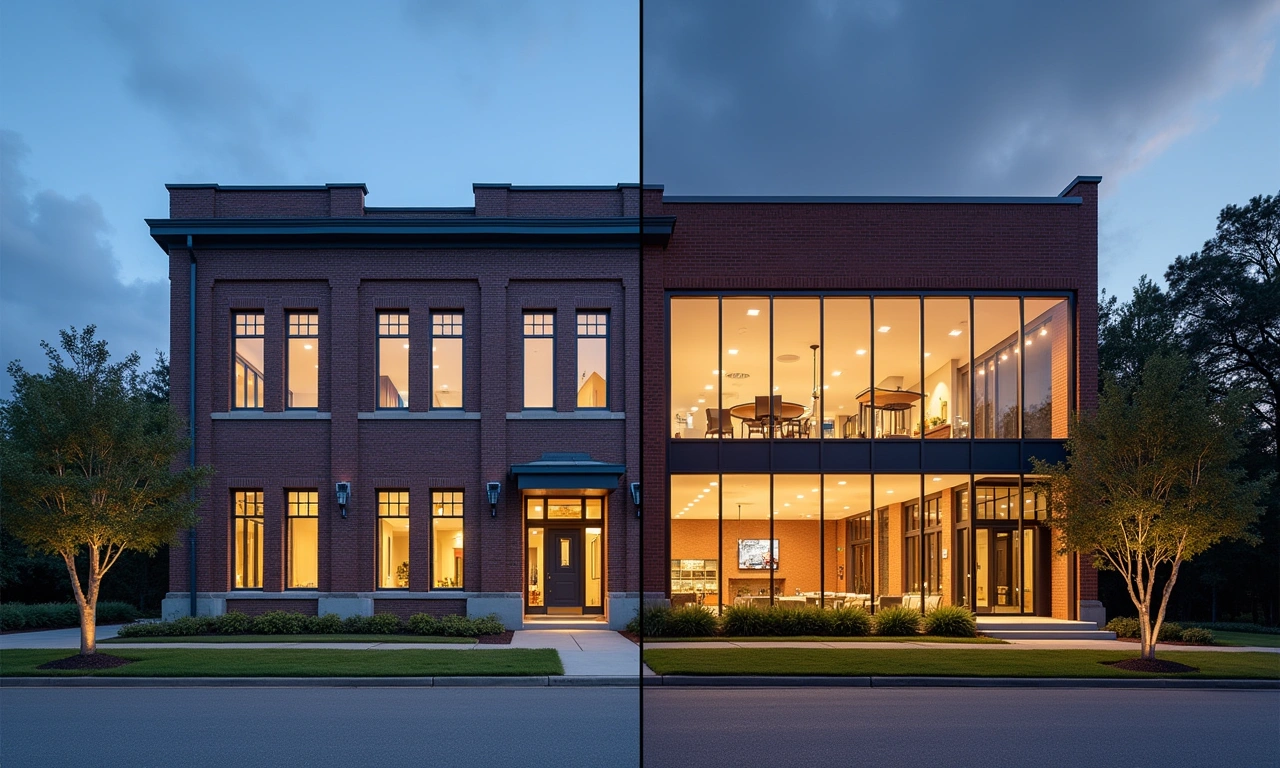
The Optimal Capital Stack for a Milton Historic Restoration
For a $10M QRE historic adaptive reuse project in Milton's HD overlay, the optimal capital stack in 2026:
| Capital Layer | Amount | % of Total Cost | Source | Cost of Capital |
|---|---|---|---|---|
| Senior Construction Loan | $6.5M | 43% | Bank / Debt Fund | SOFR + 275–325 bps |
| Federal HTC Equity (20% × $10M QRE) | $1.9M | 13% | Tax credit investor at $0.95 | Yield-equivalent to credit |
| GA State HTC Equity (25% × $10M QRE) | $2.2M | 15% | Tax credit investor at $0.90 | Yield-equivalent to credit |
| Preferred Bridge Equity (Pillar LP) | $3.5M | 23% | Pillar Partners LP network | 10%–12% preferred return |
| GP Equity | $900K | 6% | Sponsor | Promoted upside in waterfall |
| Total | $15M | 100% | — | Blended ~9%–11% |
Data Visualization
HTC Credit Value vs Renovation Cost
* Illustrative data. Actual values vary by deal, market conditions, and timing.
SHPO Process: Timeline for Milton Historic Projects
The State Historic Preservation Office (SHPO) process for HTC certification in Georgia:
- Part 1 (Evaluation of Significance) — submitted to GA SHPO, 30–45 day review, confirms structure's historic significance and contributing status
- Part 2 (Description of Rehabilitation) — submitted with construction documents, confirms rehabilitation plans meet Secretary of Interior Standards, 45–90 day review
- Construction period — SHPO may conduct interim site visits to ensure work conforms to approved plans
- Part 3 (Request for Certification of Completed Work) — submitted post-construction, confirms completed work conforms to approved Part 2, 45–60 day review
- IRS Form 3468 — filed with tax return in the year the property is placed in service to claim the federal credit
Historic adaptive reuse capital structures are most applicable beyond Milton in two neighboring markets: Roswell, where Canton Street's pre-1940 commercial fabric mirrors Milton's Historic District and HTC stacking is equally viable, and Canton, where the Etowah River industrial corridor contains former manufacturing structures eligible for residential and mixed-use adaptive conversion under Cherokee County's UDC.