Risk mitigation in real estate joint ventures is not a negotiation position — it is the prerequisite for institutional capital participation. Every LP that deploys into a Milton deal through Pillar Partners operates under a clearly structured set of contractual protections that govern their priority in the waterfall, their rights in a downside scenario, and their ability to remove or replace a GP who fails to perform. Operators who understand these protections — and design them proactively — close faster and attract better-priced capital.
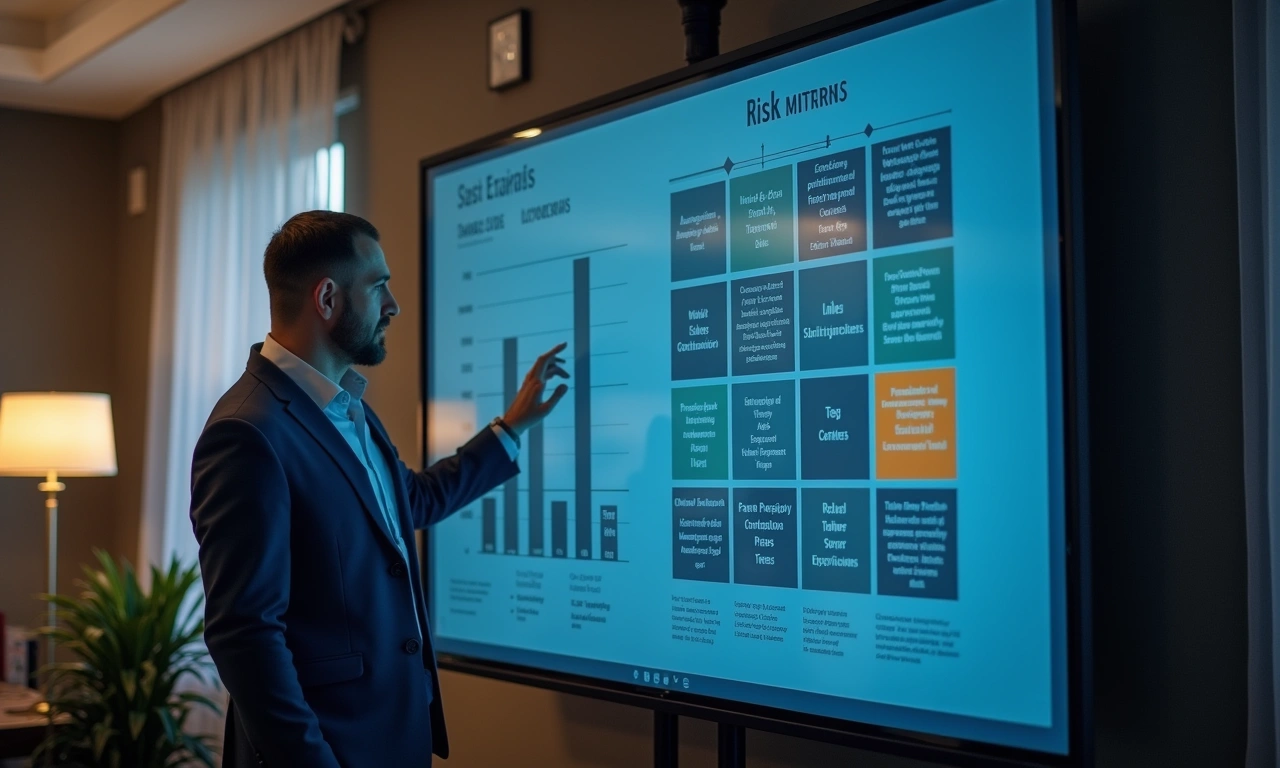
JV risk mitigation operates at three levels: (1) economic protections embedded in the waterfall structure, (2) governance protections embedded in the operating agreement, and (3) collateral protections secured by real property and entity interests. Each level addresses a distinct category of risk — economic misalignment, management failure, and asset impairment — and each requires careful GA-specific legal drafting to be enforceable.
"LP protections are not adversarial — they are the framework that allows capital to say yes. The sponsor who negotiates them away is the one who can't raise capital."

The Waterfall as a Risk Management Tool
A properly designed equity waterfall protects LPs by ensuring capital is returned before any promoted interest is paid to the GP. The institutional standard waterfall for Milton JVs:
| Waterfall Tier | Recipient | Condition | Institutional Minimum |
|---|---|---|---|
| Tier 1: Preferred Return | LP (then GP) | Paid before any return of capital | 7%–10% cumulative, simple |
| Tier 2: Return of Capital | LP (then GP) | Return of all contributed capital | 100% of LP capital contribution |
| Tier 3: GP Catch-Up | GP | After LP pref + ROC, GP catches up | 50/50 split until GP at pref level |
| Tier 4: Residual Split | LP + GP (pro-rata) | Remaining profit above hurdle | 70/30 or 80/20 LP/GP |
| Tier 5: GP Promote | GP (carry) | Above IRR hurdle (second hurdle deals) | 20%–30% of total profit above hurdle |
Data Visualization
JV Risk Dimensions
* Illustrative data. Actual values vary by deal, market conditions, and timing.
GP Removal and Replacement Rights
Institutional LPs universally require GP removal rights in the operating agreement. The standard removal framework:
- For Cause removal (immediate, no compensation): Fraud, willful misconduct, material breach of OA, criminal conviction, insolvency/bankruptcy, violation of securities laws, misappropriation of funds
- Without Cause removal (after notice period, with compensation): Failure to meet performance benchmarks, key man departure, strategic disagreement — requires 60–75% LP approval vote
- Replacement GP: Operating agreement should specify replacement process (LP vote or independent manager appointment) to avoid deal paralysis during removal
- Promote forfeiture: For Cause removal typically forfeits all unpaid promote; Without Cause removal typically preserves accrued but unpaid promote
Operating agreement protections are the second line of defense after collateral. Our asset-backed protection guide details the first line — real property liens, entity interest pledges, and reserve engineering that give institutional LPs hard asset security in a downside scenario.

Capital Call Provisions: Protecting Against Dilution
| Scenario | Standard Provision | LP Protection | GP Risk |
|---|---|---|---|
| Mandatory capital call | All LPs fund pro-rata or dilute | Anti-dilution protection | Must fund or lose promote |
| Optional capital call | LP may decline; GP may fill gap | First right to fund before dilution | GP capital at risk if LP declines |
| Failure to fund | Non-funding LP dilutes per formula | Notice + cure period (10 days) | Can be removed for repeated failure |
| Emergency call (unforeseeable) | Approved by majority LP vote | Notice requirement; 5-day cure | Subject to cap (typically 20% of commitment) |
Key Man Provisions and Continuity
Institutional LPs require key man provisions in every JV agreement when the deal thesis is dependent on the GP principal's expertise, relationships, or market access. Standard key man provisions for Milton deals:
- Trigger events: Death, permanent disability, resignation, or removal of named key person(s)
- Consequences: Automatic suspension of GP's discretionary authority; LP vote required to continue or wind down
- Replacement: GP has 90–180 days to propose a qualified replacement for LP approval (majority or supermajority vote)
- Continuation threshold: 75%+ LP approval required to continue with a replacement GP or new investment activity
- Buyout: If continuation is not approved, LP may trigger a sale or wind-down of the portfolio at then-current fair market value
LP Information Rights and Reporting Standards
Institutional LPs expect — and should contractually require — the following reporting standards in every Milton JV:
- Monthly operating reports: Occupancy, collections, leasing activity, and significant operational events
- Quarterly financial statements: Balance sheet, income statement, and cash flow statement with budget vs. actual variance analysis
- Annual audited financial statements: CPA-prepared audit for deals with $5M+ in LP equity; reviewed financials acceptable for smaller deals
- Capital account statements: Quarterly update of each LP's capital account, contributed capital, and accrued preferred return
- Material event notices: Within 5 business days of material events (default notice from lender, significant casualty, environmental notice, regulatory action)
JV risk mitigation frameworks are most critical in the highest-complexity markets of the corridor. Alpharetta and Peachtree Corners attract the largest institutional LP capital commitments, which creates the greatest exposure to waterfall disputes and capital call timing risk. Dunwoody's office-conversion thesis introduces additional entitlement risk that requires bespoke JV agreement protections not needed in stabilized-asset markets.